Skip to content
Not so long ago, watching TV meant adjusting an antenna, fighting with cables, or arguing with the remote control like it owed you money. Today, television is smarter, faster, and more flexible ; and IPTV technology is at the heart of this revolution.
Internet Protocol Television, better known as IPTV, has transformed how people consume entertainment. Instead of relying on traditional broadcast signals or satellite dishes, IPTV delivers content directly through the internet. This simple shift has unlocked a world of possibilities: more channels, higher quality, on-demand content, and compatibility with almost every device you own.
For users searching for reliable, premium IPTV services, platforms like Strong 8K stand out by combining advanced IPTV technology with performance, stability, and massive content libraries. But before choosing a provider, it’s essential to fully understand what IPTV is, how it works, and why it has become the future of television.
This guide explores everything you need to know about IPTV technology ; from its technical foundations to its benefits, limitations, and legal considerations ; while showing why Strong 8K is a smart and forward-thinking choice for IPTV reselling.
What Is IPTV Technology?
At its core, IPTV technology is a system that delivers television content using internet protocols rather than traditional terrestrial, satellite, or cable formats.
Instead of broadcasting content to everyone simultaneously, IPTV sends data packets only when a user requests them. This allows for more control, better personalization, and significantly improved efficiency.
Key Characteristics of IPTV Technology
-
Uses broadband internet connections
-
Streams content in real time or on demand
-
Supports live TV, movies, series, and catch-up content
-
Works on multiple devices without dedicated hardware
In practical terms, IPTV technology turns television into an internet-based service ; similar to how Spotify changed music or how Netflix reshaped movies.
How IPTV Technology Works (Without the Headache)
To understand IPTV technology, imagine television as a data stream rather than a signal.
The Basic Workflow
-
Content Source
TV channels, movies, and series are collected from broadcasters and studios. -
Encoding & Compression
The content is converted into digital formats optimized for streaming. -
Servers & Distribution
Powerful servers distribute content via Content Delivery Networks (CDNs). -
User Request
When a viewer selects a channel or movie, the server streams it instantly. -
Playback on Device
The content is decoded and displayed on the user’s screen.
This process allows IPTV technology to deliver smooth, high-quality video with minimal buffering ; assuming the provider knows what they’re doing (hint: Strong 8K does).
Types of IPTV Services
IPTV technology isn’t a one-size-fits-all solution. It supports multiple service types depending on how users want to watch content.
1. Live Television
Traditional TV channels streamed over the internet in real time. News, sports, entertainment ; all without satellite dishes.
2. Video on Demand (VOD)
Movies and series available anytime. Pause, rewind, binge-watch responsibly (or not).
3. Catch-Up TV
Missed a show? Catch-up allows users to watch programs that aired earlier.
IPTV Service Comparison Table
| IPTV Service Type | Description | User Benefit |
|---|---|---|
| Live TV | Real-time channel streaming | Instant access to global channels |
| VOD | On-demand movies & series | Watch anytime |
| Catch-Up TV | Replay past broadcasts | No more missed shows |
Why IPTV Technology Is Replacing Traditional TV
The shift from cable and satellite to IPTV technology didn’t happen by accident. It happened because IPTV simply makes more sense.
Major Advantages
-
Flexibility: Watch anywhere, anytime
-
Content Volume: Tens of thousands of channels and VOD
-
Quality: HD, 4K, and Ultra HD streaming
-
Device Compatibility: TVs, smartphones, tablets, PCs
-
Cost Efficiency: More content for less money
Traditional TV locks users into rigid schedules and expensive packages. IPTV technology gives control back to the viewer ; which is probably why it’s winning.
IPTV Technology and Streaming Quality
One of the strongest selling points of IPTV technology is picture quality.
Thanks to adaptive bitrate streaming, IPTV automatically adjusts video quality based on internet speed. This ensures:
-
Reduced buffering
-
Stable playback
-
Optimal resolution at all times
Supported Video Formats
-
SD
-
HD
-
Full HD
-
4K
-
Ultra HD
With Strong 8K, users enjoy 4K / Ultra HD picture quality across thousands of channels and VOD titles, backed by 99.9% server uptime.
Device Compatibility: IPTV Without Limits
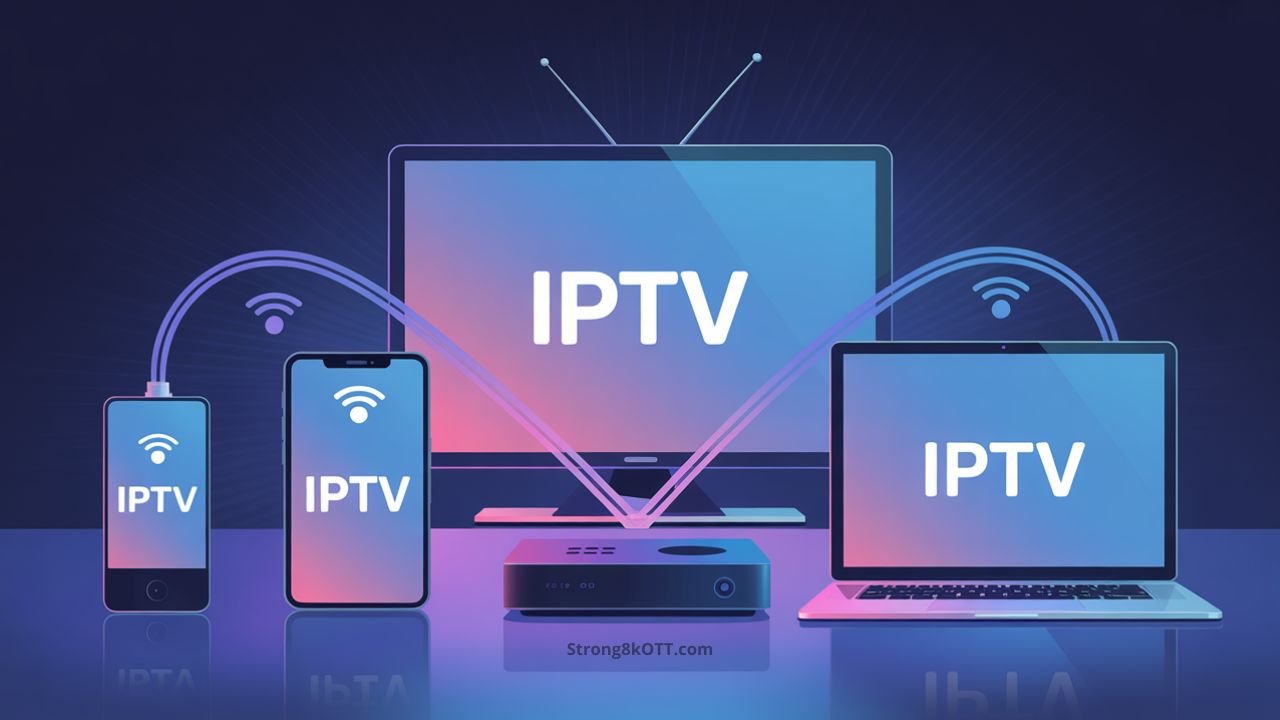
Another reason IPTV technology dominates modern entertainment is its universal compatibility.
Supported Devices
-
Smart TVs (Samsung, LG, Android TV)
-
Smartphones (Android & iOS)
-
Tablets
-
Windows & macOS computers
-
Fire Stick & Fire TV
-
MAG boxes
-
IPTV apps & players
Strong 8K ensures all devices are supported, meaning users aren’t locked into a single ecosystem. Freedom is beautiful.
Why Strong 8K Is a Smart IPTV Choice
Choosing the right IPTV provider matters just as much as understanding the technology itself.
Strong 8K Key Features
| Feature | Value |
|---|---|
| TV Channels | 33,000+ |
| Movies & Series | 120,000+ |
| Video Quality | 4K / Ultra HD |
| Updates | FREE Channels & VOD Updates |
| Uptime | 99.9% |
| Devices | All Supported |
| Support | 24/7 Technical Assistance |
Strong 8K combines advanced IPTV technology with reliability, scale, and professional support ; a rare trio in this market.
Reliability and Server Stability
IPTV technology is only as good as the servers behind it.
Strong 8K uses optimized server infrastructure to ensure:
-
Minimal downtime
-
Fast channel switching
-
Stable live streaming
-
Consistent VOD playback
That 99.9% server uptime isn’t marketing fluff ; it’s essential for trust.
Security and Updates in IPTV Technology
Modern IPTV technology relies on continuous updates to maintain performance and security.
Strong 8K offers:
-
Regular channel updates
-
Continuous VOD expansion
-
Server optimizations
-
Improved streaming protocols
And yes ; FREE channels & VOD updates, because nobody likes surprise limitations.
The Future of IPTV Technology
IPTV technology continues to evolve at a rapid pace, driven by constant innovation in internet infrastructure, streaming protocols, and user experience expectations. As viewers demand more control, higher quality, and smarter content delivery, IPTV is adapting to meet these new standards.
Rather than being a static solution, IPTV technology is becoming more intelligent, more scalable, and more immersive ; shaping the future of digital television.
Emerging Trends in IPTV Technology
Several key trends are redefining how IPTV services operate and how users interact with content:
-
AI-powered content recommendations
Artificial intelligence is increasingly used to analyze viewing habits and preferences, allowing IPTV platforms to deliver personalized channel suggestions and VOD recommendations tailored to each user. -
Cloud-based IPTV platforms
Cloud infrastructure enables greater flexibility, faster updates, and improved scalability. This approach allows IPTV services to expand content libraries and optimize performance without physical limitations. -
Improved compression codecs
Advanced video compression technologies make it possible to stream higher-quality content while using less bandwidth, resulting in smoother playback and reduced buffering. -
Higher resolutions and next-generation quality
With 4K now widely adopted, IPTV technology is already preparing for the next step. Ultra-high resolutions, including 8K, are becoming more accessible as internet speeds and device capabilities improve. -
Interactive TV experiences
IPTV is moving beyond passive viewing. Interactive features such as real-time engagement, customizable interfaces, and enhanced user controls are shaping a more dynamic entertainment experience.
Strong 8K: Ready for What’s Next
Strong 8K positions itself as a future-ready IPTV platform, built to evolve alongside technological advancements rather than chasing them after the fact. By continuously adapting its infrastructure and services, Strong 8K ensures users benefit from the latest innovations in IPTV technology as they emerge.
In short, the future of IPTV isn’t coming ; it’s already loading. 🚀
FAQs
What technology is used for IPTV?
IPTV technology uses internet protocols to stream television content through broadband connections. It relies on servers, content delivery networks, video compression, and streaming protocols to deliver live TV and on-demand content efficiently.
What is IPTV technology?
IPTV technology is a digital television delivery system that uses the internet instead of traditional cable or satellite signals. It allows users to stream live channels, movies, and series on multiple devices with high flexibility and quality.
Is having IPTV legal?
The legality of IPTV depends on the content source and licensing. IPTV technology itself is legal, but users should always choose reputable providers like Strong 8K that prioritize service reliability and responsible distribution practices.
What are the downsides of IPTV?
While IPTV technology offers many advantages, potential downsides include dependence on internet quality, possible buffering with poor connections, and unreliable services from low-quality providers. Choosing a stable platform like Strong 8K minimizes these risks significantly.
Final Thoughts: IPTV Technology Done Right
IPTV technology isn’t just a trend ; it’s the new standard for television. It delivers flexibility, scale, and quality that traditional broadcasting simply can’t match.
When paired with a robust platform like Strong 8K, IPTV becomes a seamless, premium entertainment experience backed by powerful servers, massive content libraries, and real technical support.
In short:
📺 Less cables.
🚀 More content.
😌 Zero stress.
And that’s television, finally behaving itself.